
Albumin and Longevity: The Protein That Predicts Your Decade

In a 2020 meta-analysis of 124,000 older adults across nine cohort studies, every 0.25 g/dL drop in serum albumin was associated with a 47% higher risk of death over the following decade. That's not a fancy epigenetic test or a new biomarker out of a Stanford lab. It's a single number that already prints on every standard blood panel — and most people, including most doctors, glance past it.
Albumin is the most abundant protein in your blood. It's made by your liver, it carries hormones and drugs around your body, it maintains your blood's osmotic pressure, and it tells you, in one cheap reading, how well your liver is making protein and how inflamed your system is. When the number drifts down, almost nothing else stays untouched. Frailty risk goes up. Infection recovery slows. Drug clearance changes. Hospital readmission doubles.
The clinical reference range — 3.5 to 5.0 g/dL — is the bar for "not actively dying of liver failure." It's not a longevity target. The longevity target is the upper third: 4.5 g/dL or higher. The gap between "your doctor isn't worried" and "your biology is in good shape" is roughly half a gram per deciliter, and most people sit in that gap without knowing it.
Here's what your albumin number actually tells you, why it slides as you age, and what moves it.
What serum albumin is
Serum albumin is a protein produced by the liver that makes up about 60% of total plasma protein. It transports hormones, fatty acids, calcium, and many medications, maintains oncotic pressure in blood vessels, and serves as a sensitive marker of overall nutritional status, liver function, and chronic inflammation. Normal range: 3.5–5.0 g/dL. Optimal for healthy adults: ≥4.5 g/dL.
Albumin has a half-life of about 21 days, which makes it a slow-moving signal — it reflects your average state over weeks, not hours. That's a feature, not a bug. It cuts through the noise of a single bad meal or a bad night's sleep and tells you something durable about how your body is making and conserving protein.
The number drops in three main scenarios: insufficient protein intake or absorption, liver disease, and active inflammation (which suppresses albumin production). The last one is the biggest reason healthy-looking 60-year-olds quietly slide down the longevity curve.
Key takeaways
- Serum albumin is one of the strongest single-blood-test predictors of all-cause mortality in adults over 50.
- "Normal" range starts at 3.5 g/dL. Optimal for longevity is ≥4.5 g/dL.
- Albumin drops with chronic inflammation, low protein intake, or liver dysfunction — often quietly, before symptoms appear.
- The half-life is ~21 days, so albumin reflects your average state over weeks.
- Raising albumin requires fixing the upstream cause. Drinking more "protein shakes" without addressing inflammation rarely moves it.
- It's already on your standard CBC + CMP panel. Read it.
The problem most people run into
Standard medicine flags albumin only when it falls below 3.5 g/dL — the threshold for hypoalbuminemia, which is associated with hospitalization, surgery complications, and end-stage liver or kidney disease. By the time the number is that low, the patient is usually already symptomatic. The system is built to catch failure, not to optimize.
What this misses is the slow, decade-long drift. A healthy 35-year-old often runs albumin around 4.6 g/dL. By 65, the population average drifts toward 4.0 g/dL. The drop seems small — 0.6 g/dL over 30 years — but every quarter-point matters. Each step down tracks with measurable increases in frailty, infection severity, and post-surgical mortality.
The cost of ignoring this is that interventions that would have worked at 4.5 g/dL — protein adequacy, anti-inflammatory diet, treating sleep apnea, treating low-grade infections — become much harder once albumin slips below 4.0. By then the system is in a different state: more inflamed, less responsive, harder to course-correct.
The other failure mode is mistaking the cause. Many people see a low albumin and reach for protein powder. If the underlying issue is chronic inflammation (the most common cause in adults over 50), more protein won't fix it — the liver is still being told to suppress albumin synthesis by inflammatory cytokines.
What the research actually shows
Three studies define the case.
Goldwasser & Feldman (Journal of Clinical Epidemiology, 1997, n=11,348): A single albumin reading on a standard blood test was a stronger predictor of 10-year mortality than age, smoking status, or cholesterol in this NHANES cohort. The dose-response was linear: each 0.25 g/dL increment in albumin was associated with a 25–48% lower mortality risk.
Cabrerizo et al. (Maturitas, 2015, meta-analysis n=124,000): Across nine prospective cohorts of community-dwelling older adults, low serum albumin (≤3.8 g/dL) was associated with a hazard ratio of 1.47 for all-cause mortality, even after adjusting for nutritional status, comorbidities, and CRP. The signal was independent of malnutrition.
Don & Kaysen (Seminars in Dialysis, 2004): A mechanistic review documenting that inflammation, not protein intake, is the dominant driver of albumin decline in chronic disease. CRP and IL-6 directly suppress hepatic albumin synthesis at the transcriptional level. This explains why "eat more protein" fails when inflammation is the upstream issue.
The picture that emerges from 30 years of research: albumin is a window into a process. The process is the balance between protein synthesis (driven by liver health and amino acid availability) and protein loss (driven by inflammation, kidney leakage, and gut malabsorption). Read the window, fix the process.
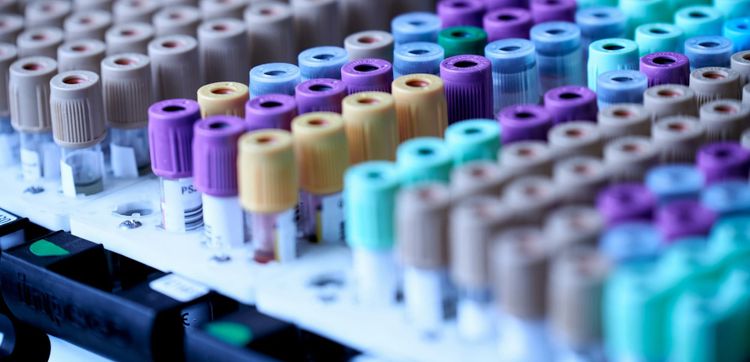
Photo by Microsoft Copilot / Unsplash

The most common mistake
Reading albumin in isolation. The number alone doesn't tell you why it's low.
A 4.1 g/dL albumin in a 70-year-old vegetarian eating 50g of protein per day is a different problem than a 4.1 g/dL albumin in a 50-year-old endurance athlete with chronic GI inflammation. The first needs more protein. The second needs to fix the gut. Same number, opposite intervention.
The fix is to triangulate with two other cheap markers: hsCRP (to check for inflammation) and total protein with the A/G ratio (to check whether globulin is high — a sign of chronic immune activation). If hsCRP is elevated and albumin is low, inflammation is the lever. If hsCRP is low and dietary protein is low, intake is the lever. If the A/G ratio is inverted (<1.0), think chronic infection, autoimmunity, or undiagnosed liver issue.
A second mistake: chasing the number with IV albumin or aggressive supplementation. Outside of acute hospital settings, this doesn't change long-term trajectory. The body adjusts and the underlying process continues.
Signals to check this week
| Signal | Lab "Normal" | Optimal target |
|---|---|---|
| Serum albumin | 3.5–5.0 g/dL | ≥4.5 g/dL |
| hsCRP | <3.0 mg/L | <0.55 mg/L |
| Total protein | 6.0–8.3 g/dL | 6.8–7.8 g/dL |
| A/G ratio | 1.0–2.5 | 1.5–2.2 |
| Daily protein intake | 0.8 g/kg/day | 1.2–1.6 g/kg/day |
The integrated read: a healthy adult should have albumin ≥4.5, hsCRP <0.55, A/G ratio between 1.5 and 2.2, and protein intake at least 1.2 g/kg of body weight (roughly 90g for a 75kg adult). If three of those are off, you have a process problem, not a number problem.
What to do
-
Pull your albumin off your last blood panel. It's already there. If it's below 4.3 g/dL and you're under 65, you have room to optimize. Why: albumin is the single best mortality signal you can read for free. How to start: search your patient portal for "Comprehensive Metabolic Panel" or "CMP".
-
Check hsCRP at the same time. If both are off — low albumin and high hsCRP — inflammation is your primary lever. Address sleep apnea, ultra-processed food intake, and untreated dental issues first. They suppress albumin in adults more than people expect.
-
Hit a protein floor every day. Aim for 1.2–1.6 g/kg of body weight, weighted toward the morning meal. Why: morning protein synthesis sets daily muscle protein balance. How to start: 30g of protein within 90 minutes of waking, four days a week. Build from there.
-
Treat the gut if there's any sign of malabsorption. Chronic loose stools, unexplained iron deficiency, or low ferritin alongside low albumin point at a gut leak. A celiac panel and a stool calprotectin test are cheap and worth running.
-
Re-test in 12 weeks. Albumin moves slowly. Don't check at 4 weeks and panic that nothing changed.
This is the kind of multi-marker reading Rewind is built for. We pull albumin, hsCRP, total protein, A/G ratio, and 95+ other biomarkers from a single blood draw, then map them against your biological age across nine organ systems. You see the pattern — not just the number — so the intervention you choose is the right one for what's actually happening in your body.
Run your real numbers with Rewind
100+ biomarkers including albumin, hsCRP, full liver and kidney panels, organ-system biological age, and a clinician review in 7 days.
rewind.research.life
FAQ
What's a normal albumin level for a healthy adult?
Lab reference ranges put 3.5–5.0 g/dL inside normal. For longevity-focused adults under 70, the target is the upper third: ≥4.5 g/dL. Below 4.0 g/dL in an outpatient adult is a yellow flag worth investigating with hsCRP and a diet review.
Can low albumin be reversed?
Often yes, if the underlying cause is dietary or inflammatory rather than structural. Adequate protein intake (1.2–1.6 g/kg/day), treating chronic inflammation, and addressing gut issues typically raise albumin by 0.2–0.4 g/dL over 8–12 weeks in otherwise healthy adults.
Does drinking protein shakes raise albumin?
Only if low protein intake is the cause. If inflammation is suppressing hepatic albumin synthesis, more protein doesn't move the number. This is why you need an inflammation marker like hsCRP alongside albumin to know which lever to pull.
Why does albumin drop with age?
A combination of mild chronic inflammation ("inflammaging"), reduced protein intake, sarcopenia, and modest declines in liver synthetic capacity. The drop isn't inevitable — adults who maintain low inflammation and adequate protein keep albumin in the 4.5–4.7 g/dL range into their 70s.
Is albumin the same as total protein?
No. Albumin is one component of total protein, alongside globulins. Total protein can look "normal" while albumin is low, especially when chronic inflammation drives globulin up. The A/G ratio (albumin to globulin) is what catches this.
Most people get a CMP every year and never think about albumin. They check cholesterol and glucose, then move on. But the number quietly tracking on the same lab report is one of the strongest predictors of how the next decade will go. Reading the panel you already have is the cheapest longevity move there is.

Member discussion