
Restoring Arterial Youth: The Nitric Oxide Revolution After 40
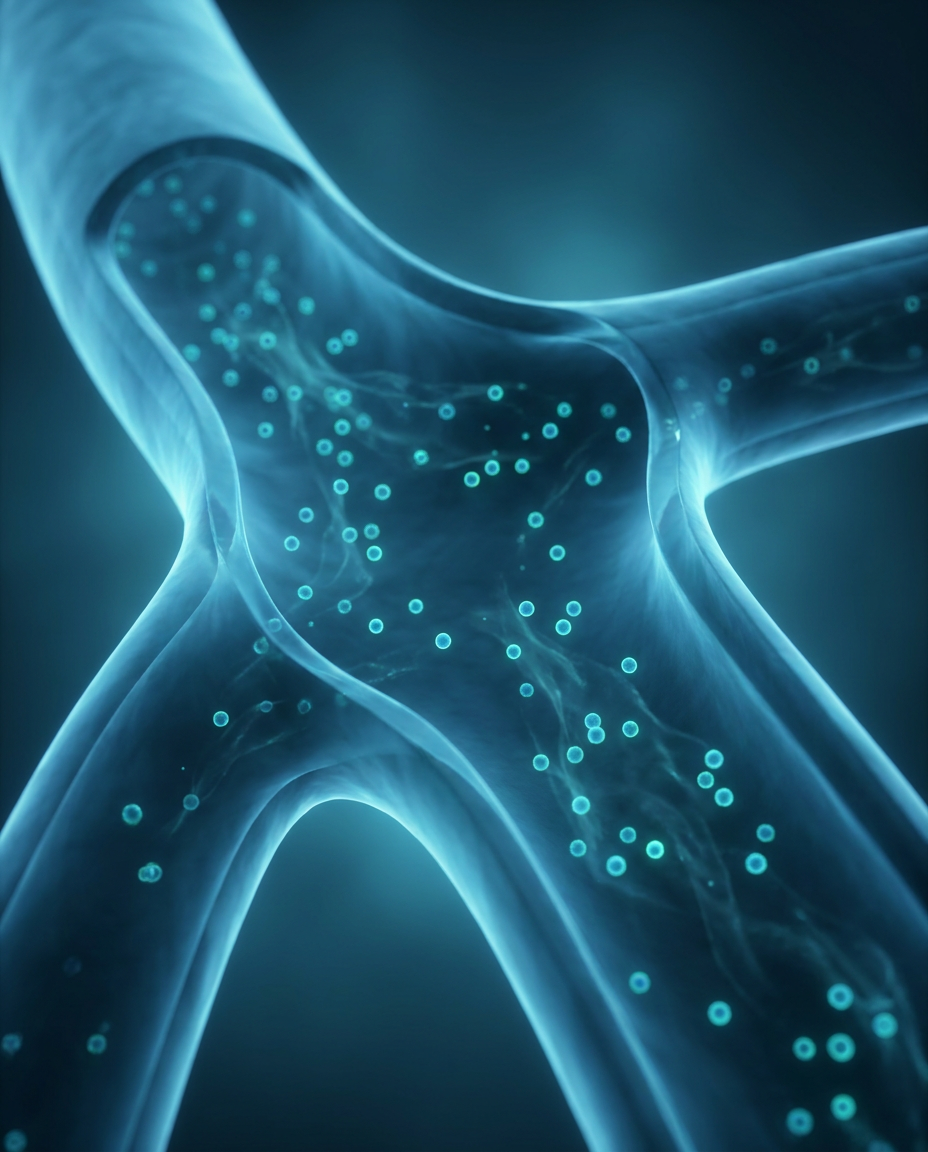
You used to bound up a flight of stairs without thinking. Now, somewhere past 40, you notice your legs feel heavier, your recovery takes longer, and your blood pressure readings have crept up a few points each year. Here is the number that explains a lot of it: your body produces roughly 50% less nitric oxide at age 40 than it did at 20. That single decline sits at the center of nitric oxide cardiovascular health, and it is arguably the most underappreciated driver of arterial aging happening inside you right now.
The conventional story goes like this: cholesterol clogs your arteries, so manage your lipids and you are fine. But your arteries are not passive pipes waiting to be blocked. They are living, responsive tissue, and the molecule that keeps them flexible, open, and resistant to plaque is nitric oxide, a gas your own endothelial cells produce on demand. When production drops, your vessels stiffen, your blood pressure rises, and the inflammatory cascade that leads to cardiovascular disease accelerates quietly, years before any symptom shows up on a stress test.
This is not a story about fear. It is a story about a lever you can actually pull. Nitric oxide after 40 is recoverable. Endothelial function aging is not a one-way street. And the steps to restore it are surprisingly concrete, measurable, and available to you this week.
Key Takeaways
- Nitric oxide production drops roughly 50% between ages 20 and 40, stiffening arteries silently.
- Endothelial dysfunction is measurable and reversible with targeted nutrition and movement.
- Dietary nitrate from whole foods outperforms most nitric oxide supplements in clinical trials.
- Tracking vascular biomarkers over time reveals your trajectory before symptoms appear.
What Nitric Oxide Actually Does in Your Blood Vessels
Think of nitric oxide as the traffic controller inside every artery. When your endothelium (the single-cell layer lining your blood vessels) releases this gas molecule, it signals the smooth muscle wrapped around the vessel to relax. The artery widens, blood flows more easily, and pressure drops. That process is called vasodilation, and it happens thousands of times a day in response to blood flow, exercise, and even the food you eat.
Most people think nitric oxide is primarily about workout pumps or sexual health supplements. That is a fraction of the picture. Nitric oxide also prevents platelets from clumping, reduces inflammatory molecules sticking to vessel walls, and inhibits the abnormal growth of smooth muscle cells that narrows arteries over time.
In practice, this means your endothelium is not just a barrier. It is an active organ, and nitric oxide is its primary signaling molecule. When that signal weakens, every downstream protective function weakens with it.
Why Your Blood Pressure Creeps Up After 40 (and Statins Cannot Fix It)
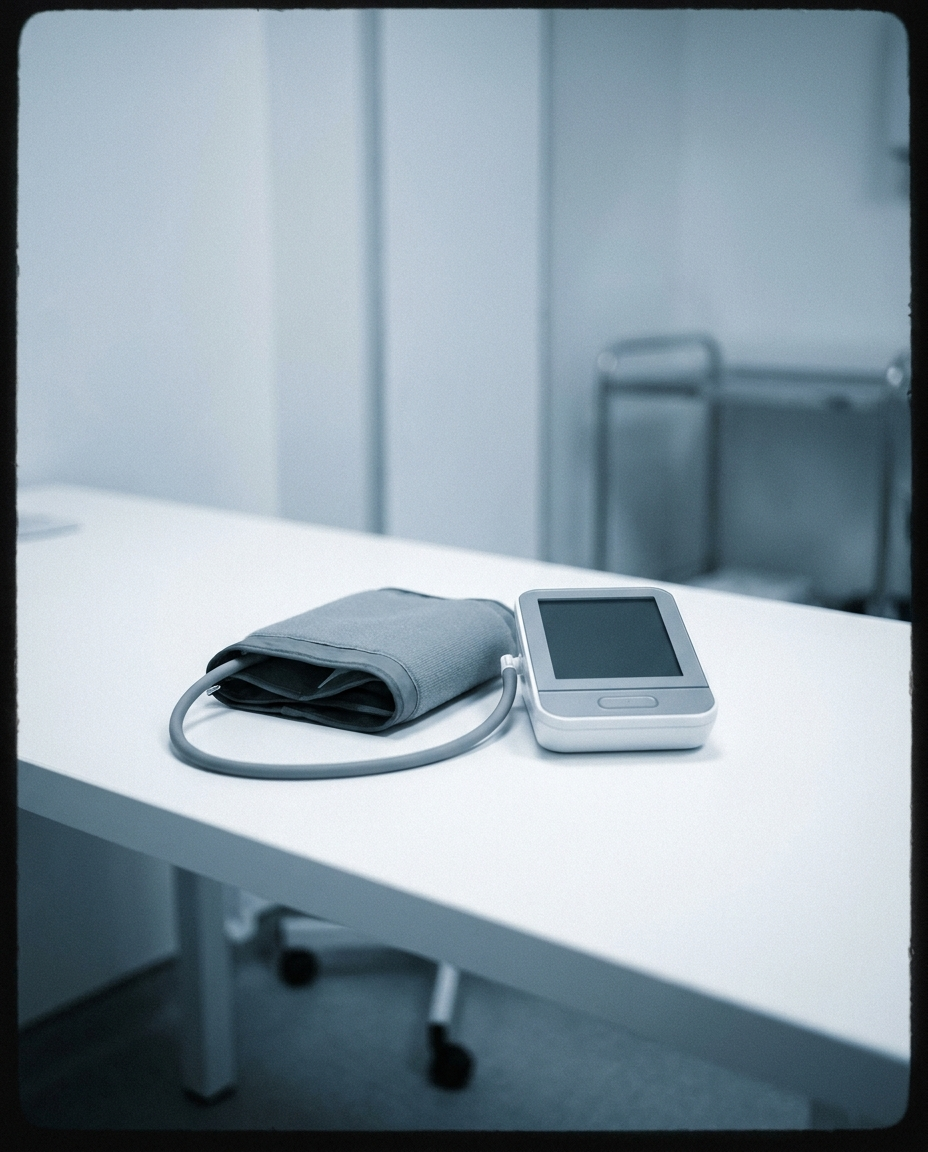
The default medical approach to rising blood pressure and cardiovascular risk is familiar: prescribe a statin for lipids, add an antihypertensive if numbers stay elevated, and revisit annually. This protocol manages downstream markers. It does not address the upstream problem.
Endothelial dysfunction, the reduced ability of your vessel lining to produce nitric oxide, precedes hypertension, atherosclerosis, and most cardiovascular events by a decade or more. Your arteries lose compliance first. The numbers on your chart change second. By the time your doctor flags a concerning reading, the endothelial decline driving it has been underway for years.
The enzyme responsible for producing nitric oxide, endothelial nitric oxide synthase (eNOS), becomes less efficient with age. Oxidative stress uncouples eNOS, meaning the enzyme starts generating damaging superoxide radicals instead of protective nitric oxide. You get less of the molecule you need and more of the molecule that accelerates aging. No statin addresses this mechanism directly.
The Nitrate-Nitrite-NO Pathway Changes Everything
Here is what the research actually reveals, and it challenges the supplement industry's favorite narrative.
Taddei et al. (2001) studied 53 healthy subjects across age groups and demonstrated a progressive, age-dependent decline in endothelium-dependent vasodilation. The decline was directly linked to reduced nitric oxide bioavailability and increased oxidative stress, not to cholesterol levels or traditional risk factors.
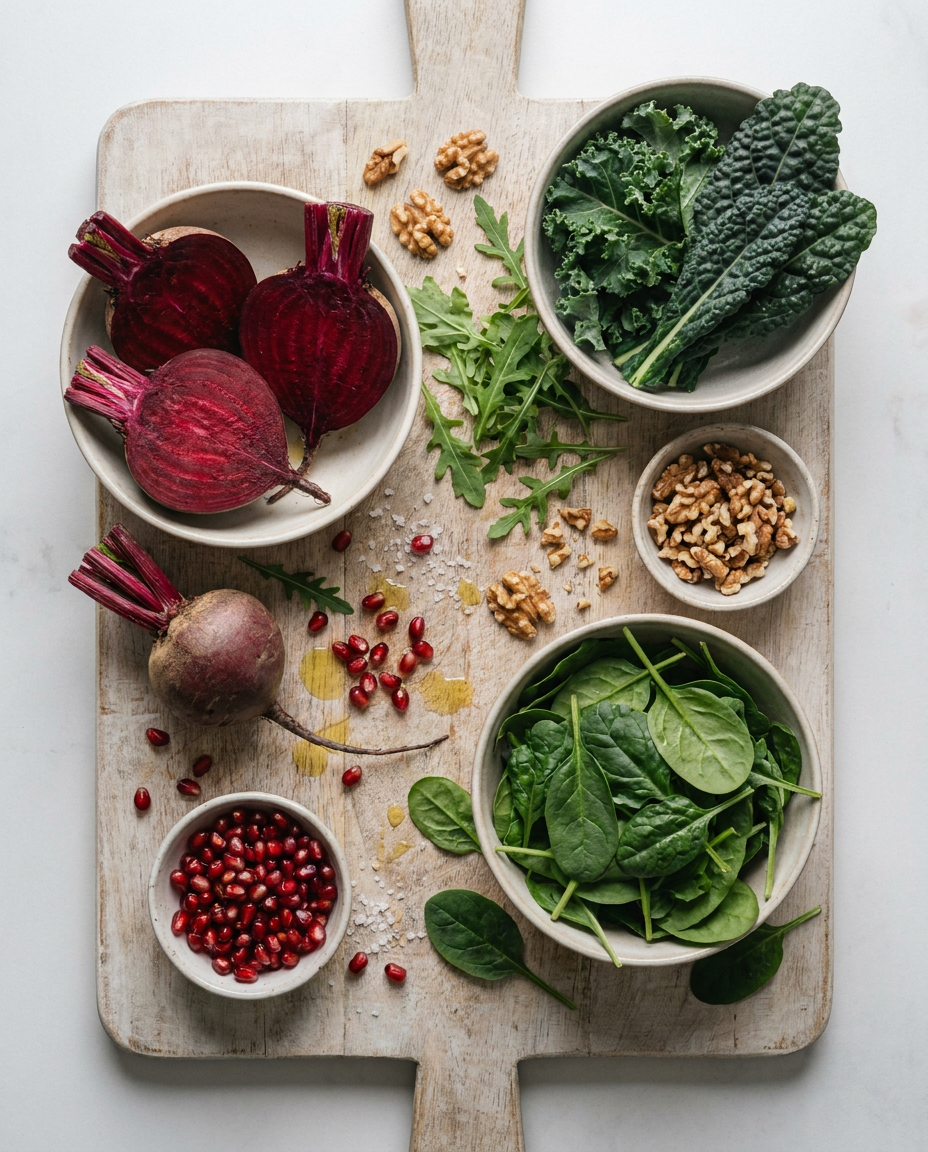
Your body has two routes to produce nitric oxide. The first is the eNOS pathway, which weakens with age. The second is the nitrate-nitrite-NO pathway, where dietary nitrate from foods like beetroot, arugula, and spinach is converted to nitrite by oral bacteria, then to nitric oxide in your blood and tissues (Lundberg et al., 2008). This backup pathway becomes your primary restoration tool after 40.
Cosby et al. (2003) showed that nitrite in the blood is actively converted to nitric oxide, particularly in low-oxygen conditions, exactly the environment inside a narrowing or stressed artery. This means dietary nitrate delivers nitric oxide precisely where you need it most.
Kapil et al. (2015) ran a randomized, double-blind, placebo-controlled trial with 68 hypertensive patients. Daily dietary nitrate (as beetroot juice) reduced blood pressure by an average of 8/4 mmHg over four weeks. That magnitude rivals a first-line antihypertensive drug.

The Supplement Trap Most People Fall Into
The single biggest mistake with nitric oxide supplements is assuming that L-arginine capsules will solve the problem. L-arginine is the amino acid precursor to the eNOS pathway, the very pathway that is already dysfunctional after 40. Giving your body more raw material for a broken enzyme is like adding premium fuel to an engine with fouled spark plugs.
Bryan and Grisham (2007) detailed how the oral L-arginine supplement market grew to billions of dollars despite clinical trials showing inconsistent and often negligible effects on endothelial function in older adults. The nitrate-nitrite pathway bypasses the broken enzyme entirely, which is why whole-food nitrate sources and targeted nitrite-based approaches consistently outperform L-arginine in head-to-head comparisons.
Five Vascular Signals Worth Tracking
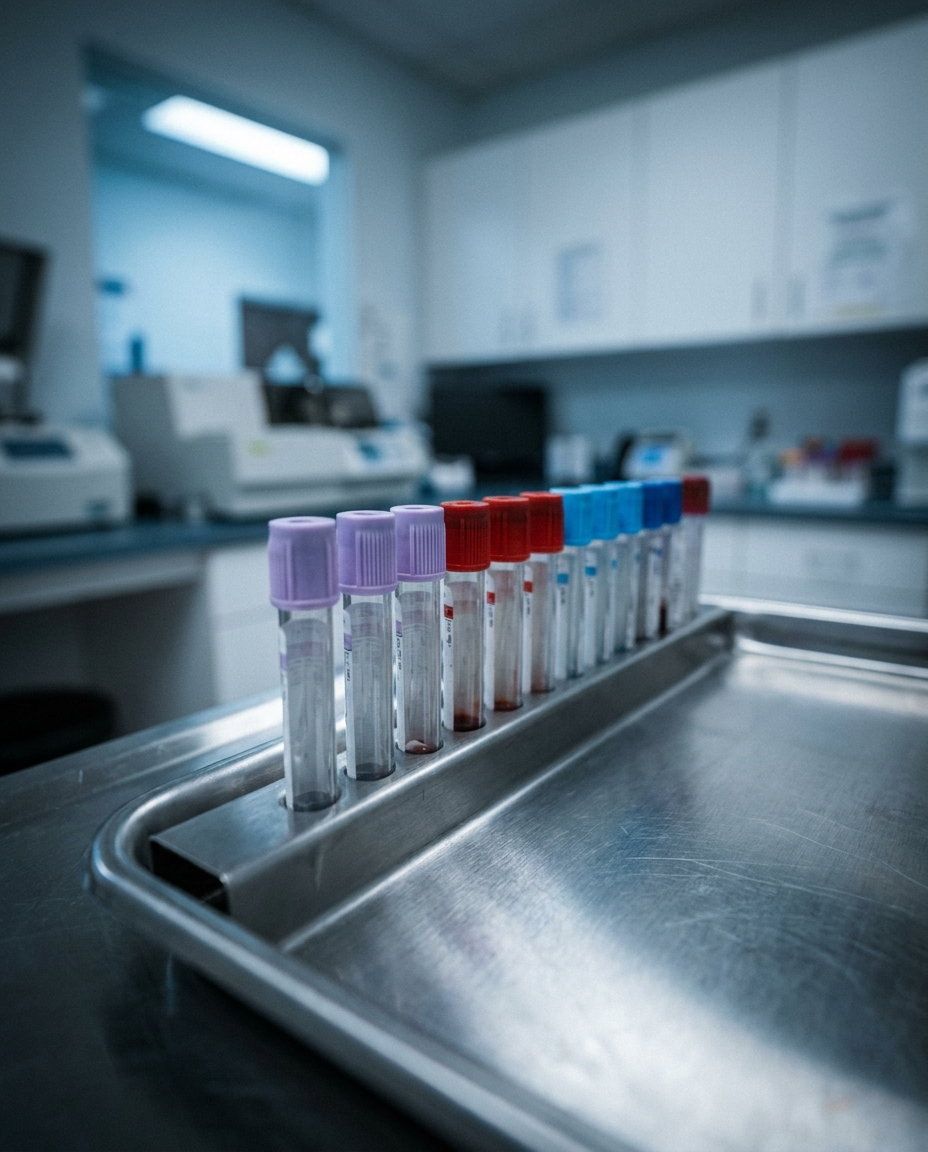
Your standard lipid panel misses the endothelial story. These markers paint a clearer picture:
| Signal | Lab "Normal" | Optimal Target |
|---|---|---|
| Blood pressure | Below 140/90 mmHg | Below 120/75 mmHg |
| Pulse wave velocity | Below 10 m/s | Below 7.5 m/s |
| Flow-mediated dilation | Above 5% | Above 8% |
| hs-CRP | Below 3.0 mg/L | Below 1.0 mg/L |
| Asymmetric dimethylarginine (ADMA) | Below 0.7 umol/L | Below 0.5 umol/L |
The pattern here matters more than any single reading. If your pulse wave velocity is climbing while your blood pressure looks "normal," your arteries are stiffening faster than the standard panel reveals. Track the trend over quarters, not single snapshots.
How to Rebuild Your Nitric Oxide Production This Week
1. Front-load dietary nitrate at breakfast. Two cups of arugula or one cup of raw spinach delivers 300 to 400 mg of dietary nitrate, roughly equivalent to the dose used in the Kapil trial. Your oral bacteria convert it to nitrite within hours. Start with a morning salad or green smoothie five days this week.
2. Stop using antibacterial mouthwash. This sounds trivial, but it is not. The nitrate-to-nitrite conversion depends entirely on bacteria on the back of your tongue. Antibacterial mouthwash wipes out those colonies and raises blood pressure within a week of daily use. Switch to a non-antibacterial rinse or plain water.
3. Add 20 to 30 minutes of Zone 2 cardio four times per week. Sustained aerobic exercise at conversational pace is the single strongest stimulus for eNOS upregulation. It literally retrains your endothelium to produce more nitric oxide. Walking counts. Cycling counts. Consistency matters more than intensity.
4. Test and track your vascular markers quarterly. Get a baseline pulse wave velocity or flow-mediated dilation test. Repeat in 90 days. Without a number, you are guessing. With a number, you are managing.
5. Prioritize sleep quality over sleep duration. Poor sleep drives sympathetic nervous system activation, which constricts blood vessels and suppresses nitric oxide release overnight. Seven hours of uninterrupted sleep outperforms nine hours of fragmented sleep for endothelial recovery.
This is exactly the kind of vascular trajectory that Rewind tracks across your biomarkers, lifestyle inputs, and supplement protocols, connecting the dots between what you do each week and how your arteries respond over months. Rewind is a membership-based longevity platform. Individual outcomes vary.
Start Tracking Your Vascular Age Today
Your arteries are telling a story right now. See the full picture with a Rewind membership.
FAQ
Does beetroot juice really lower blood pressure?
Yes. The Kapil et al. (2015) trial showed an average reduction of 8/4 mmHg over four weeks in hypertensive patients with daily beetroot juice. That effect is comparable to a standard blood pressure medication, driven by the nitrate-nitrite-NO conversion pathway.
Can I get enough nitric oxide from food alone?
For most people over 40, a diet rich in leafy greens and root vegetables provides a meaningful nitric oxide boost through the nitrate pathway. The threshold appears to be around 300 to 400 mg of dietary nitrate daily, achievable with two to three servings of high-nitrate vegetables.
Is L-arginine worth taking for heart health?
Clinical evidence for L-arginine supplementation in adults over 40 is weak. The enzyme that converts L-arginine to nitric oxide (eNOS) is already impaired by age-related oxidative stress, so adding more substrate yields diminishing returns compared to the dietary nitrate pathway.
How quickly can endothelial function improve?
Measurable improvements in flow-mediated dilation have been documented within two to four weeks of consistent dietary nitrate intake and aerobic exercise. Meaningful pulse wave velocity changes typically take eight to twelve weeks of sustained intervention.
Does nitric oxide decline affect women differently?
Pre-menopausal women maintain higher nitric oxide bioavailability than age-matched men, partly due to estrogen's protective effect on eNOS. After menopause, the decline accelerates rapidly, making nitric oxide restoration strategies particularly important for women in their late 40s and 50s.
Your arteries do not age on a calendar. They age on a curve you can bend, one meal, one walk, one measured quarter at a time. Rewind helps you see that curve.
You do not need to overhaul your entire life to protect your vascular system. You need a baseline, a plan, and a way to see whether it is working. Rewind gives you all three.
References
Bryan, N. S., & Grisham, M. B. (2007). Methods to detect nitric oxide and its metabolites in biological samples. Free Radical Biology and Medicine, 43(5), 645-657. https://doi.org/10.1016/j.freeradbiomed.2007.04.026
Cosby, K., Partovi, K. S., Crawford, J. H., Patel, R. P., Reiter, C. D., Martyr, S., Yang, B. K., Waclawiw, M. A., Zalos, G., Xu, X., Huang, K. T., Shields, H., Kim-Shapiro, D. B., Schechter, A. N., Cannon, R. O., & Gladwin, M. T. (2003). Nitrite reduction to nitric oxide by deoxyhemoglobin vasodilates the human circulation. Nature Medicine, 9(12), 1498-1505. https://doi.org/10.1038/nm954
Kapil, V., Khambata, R. S., Robertson, A., Caulfield, M. J., & Ahluwalia, A. (2015). Dietary nitrate provides sustained blood pressure lowering in hypertensive patients: A randomized, phase 2, double-blind, placebo-controlled study. Hypertension, 65(2), 320-327. https://doi.org/10.1161/HYPERTENSIONAHA.114.04675
Lundberg, J. O., Weitzberg, E., & Gladwin, M. T. (2008). The nitrate-nitrite-nitric oxide pathway in physiology and therapeutics. Nature Reviews Drug Discovery, 7(2), 156-167. https://doi.org/10.1038/nrd2466
Taddei, S., Virdis, A., Ghiadoni, L., Salvetti, G., Bernini, G., Magagna, A., & Salvetti, A. (2001). Age-related reduction of NO availability and oxidative stress in humans. Hypertension, 38(2), 274-279. https://doi.org/10.1161/01.HYP.38.2.274

Member discussion