
Caloric Restriction Mimetics: What Actually Works Without Starving Yourself
Cutting your calories by 25% for a decade adds measurable years to your healthspan. The CALERIE trial proved it in 2023: 218 healthy adults who sustained a 12% calorie deficit for 2 years slowed their pace of aging by 2 to 3% on the DunedinPACE epigenetic clock (Waziry et al., 2023, n=197). That is a real, quantified result. The problem is obvious. Almost nobody can sustain a meaningful calorie deficit for years on end. Adherence in CALERIE itself fell from the target 25% deficit to roughly 12%, and these were motivated trial participants with dietitian support.
So the field shifted. If we know the biological pathways that caloric restriction activates, can we flip those switches with a molecule instead of an empty plate? That question drives the entire caloric restriction mimetics space, and in 2026 it is one of the most active areas in longevity research. Some compounds have real human data behind them. Most do not. The gap between the two is wider than the supplement industry wants you to know.
Caloric restriction mimetics are compounds that activate the same cellular pathways as caloric restriction (nutrient sensing, autophagy, mitochondrial efficiency) without requiring you to actually eat less.
Key Takeaways
- Caloric restriction slows biological aging, but sustaining it long term is impractical for most people.
- Berberine and metformin have the strongest human metabolic data among CR mimetics available today.
- Resveratrol generated excitement in animal models but failed to deliver consistent results in human trials.
- Most marketed "CR mimetic" supplements lack any human evidence for their longevity claims.

What Caloric Restriction Mimetics Actually Are
Think of your cells as running two operating modes. In "growth mode," triggered by abundant food, your body prioritizes building, storing, and reproducing. In "conservation mode," triggered by scarcity, your body shifts to repair, recycling, and stress resistance. Caloric restriction forces conservation mode. CR mimetics try to trick your cells into flipping that switch while you eat normally.
Most people assume this means one magic pathway. It does not. Caloric restriction activates at least four major signaling networks simultaneously: it suppresses mTOR (the growth accelerator), activates AMPK (the fuel sensor that tells cells energy is low), upregulates sirtuins (proteins that regulate DNA repair and inflammation), and triggers autophagy (the cellular recycling system that clears damaged components). A true CR mimetic would need to hit multiple targets. No single compound does this comprehensively.
In practice, this means each CR mimetic candidate works on a subset of these pathways. Comparing them requires knowing which pathways matter most for the outcome you care about.
Why Caloric Restriction Itself Falls Short as a Strategy
The biology is compelling. The logistics are brutal. A 2019 meta-analysis of long-term calorie restriction interventions found average adherence rates below 50% beyond 12 months (Headland et al., 2019). People quit. They regain. The psychological burden of sustained hunger in an environment of abundant food is not a willpower problem. It is a mismatch between biology and modern life.
There is also a ceiling. Extreme caloric restriction in humans comes with trade-offs: reduced bone mineral density, loss of lean mass, suppressed thyroid function, and for premenopausal women, disrupted menstrual cycles (Redman et al., 2018). The CALERIE trial participants who achieved the best metabolic improvements also lost the most muscle. That is not an acceptable trade for someone in their 40s trying to protect both healthspan and physical capacity.
The practical question is not whether CR works. It does. The question is whether you can capture most of the benefit through targeted compounds that activate the same machinery.

The Compounds with Real Human Data
Three molecules dominate this conversation, and they are not created equal.
Berberine activates AMPK directly, the same energy-sensing pathway that caloric restriction triggers. A 2024 meta-analysis of 46 randomized controlled trials found berberine reduced fasting glucose by 0.7 mmol/L and HbA1c by 0.7% in people with metabolic dysfunction (Liang et al., 2024, n=4,591). Those numbers rival metformin. Berberine also reduces LDL cholesterol by roughly 20 mg/dL across trials. The human metabolic data is substantial.
Metformin has been used for decades in type 2 diabetes and activates AMPK through a slightly different mechanism. The TAME trial (Targeting Aging with Metformin) launched enrollment in 2024 to test whether metformin slows aging in non-diabetic adults. Observational data from the UK Biobank suggests diabetic patients on metformin live slightly longer than matched non-diabetic controls (Bannister et al., 2014, n=78,241). That finding got the longevity community's attention, but it remains observational.
Resveratrol was supposed to be the star. It activates sirtuins in cell culture and extended lifespan in obese mice. The human data has been disappointing. A 2024 systematic review of 43 RCTs found inconsistent effects on metabolic markers, with most trials showing no significant improvement in fasting glucose, insulin sensitivity, or inflammatory markers at doses up to 1,500 mg/day (Borges et al., 2024). The bioavailability problem is real: most oral resveratrol gets metabolized before it reaches target tissues.
The Supplement Stack Trap
Here is where most people go wrong. They see a compound that activates autophagy in a mouse study and assume it will slow their aging. The distance between "activates a pathway in a rodent" and "measurably slows aging in a 47 year old human" is enormous.
NMN and NR (nicotinamide riboside) boost NAD+ levels, which support sirtuin activity. But the largest human NMN trial to date (Yi et al., 2023, n=80) showed increased blood NAD+ without clear downstream improvements in physical performance or metabolic markers over 60 days. The precursor gets into your blood. Whether it reaches the right cells and does the right thing remains genuinely uncertain.
Fisetin generated excitement after a Mayo Clinic senolytic trial, but as a CR mimetic its human evidence is limited to a single small pilot. Pterostilbene, the "better absorbed" cousin of resveratrol, has fewer than 10 published human trials, most in combination with other compounds.
The pattern repeats: animal models show promise, supplement companies sell products, and human data remains sparse or inconclusive.
Signals Worth Tracking
If you are experimenting with any CR mimetic, these markers tell you whether something is actually shifting your metabolic machinery in the right direction.
| Signal | Lab "Normal" | Optimal Target |
|---|---|---|
| Fasting insulin | 2.6 to 24.9 mU/L | Under 6 mU/L |
| HOMA-IR | Under 2.5 | Under 1.5 |
| HbA1c | 4.0 to 5.6% | 4.8 to 5.2% |
| hsCRP | Under 3.0 mg/L | Under 0.5 mg/L |
| Fasting glucose | 70 to 99 mg/dL | 72 to 88 mg/dL |
Read these together, not in isolation. A fasting insulin under 6 with an HbA1c of 5.0 and an hsCRP under 0.5 tells you your metabolic and inflammatory signaling looks genuinely good. If your fasting insulin is low but hsCRP is elevated, you have a different problem that no CR mimetic will fix.
What to Do This Month
-
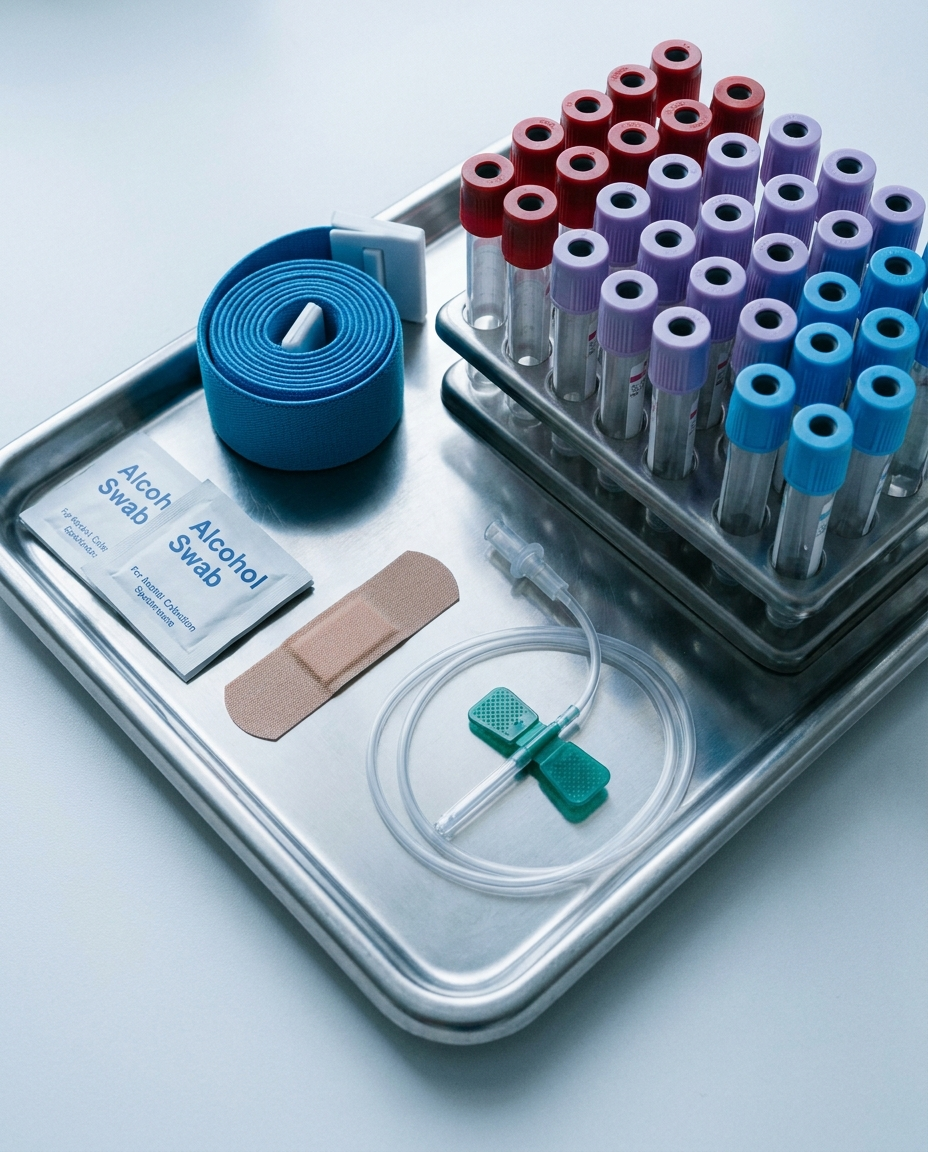
Get your metabolic baseline tested. Before trying any CR mimetic, know your fasting insulin, HOMA-IR, HbA1c, and hsCRP. You cannot measure progress without a starting point. Order these through your next blood panel.
-
If your markers show insulin resistance, consider berberine first. The dose with the best human data is 500 mg taken 2 to 3 times daily with meals. Start with 500 mg once daily for the first week to assess GI tolerance. Berberine has the most robust human metabolic evidence of any standalone CR mimetic.
-
Do not stack 5 compounds hoping they add up. The interaction data between simultaneous AMPK activators, sirtuin activators, and mTOR inhibitors in humans is almost nonexistent. Pick one approach. Measure. Adjust. The urge to combine everything reflects hope, not evidence.
-
Build the free CR mimetic into your week. Time-restricted eating (a 14 to 16 hour overnight fast) activates AMPK and autophagy through the same pathways these supplements target. A 2022 trial found 14-hour TRE improved insulin sensitivity within 12 weeks without caloric restriction (Jamshed et al., 2022, n=90). This costs nothing and has zero supplement interactions.
-
Retest in 90 days. Whatever approach you choose, repeat the same blood panel at 90 days. If fasting insulin and hsCRP have not moved, the intervention is not working for you regardless of what the mechanism suggests.
This is exactly the kind of metabolic tracking Rewind was built for. We monitor your fasting insulin, HbA1c, inflammatory markers, and pace of aging over time, so you can see whether an intervention is shifting your biology or just your supplement budget.
Start Tracking Your CR Mimetic Response
Your metabolic baseline is the starting point. Get started with Rewind and track whether what you are doing is actually working.
FAQ
Do caloric restriction mimetics actually slow aging in humans?
No CR mimetic has been proven to slow biological aging in a randomized human trial yet. Berberine and metformin improve metabolic markers that correlate with slower aging. The TAME trial should provide the first direct evidence for metformin by 2028.
Is berberine the same as metformin?
They activate overlapping pathways (primarily AMPK) but through different mechanisms. Berberine is a plant alkaloid available over the counter. Metformin is a prescription drug. Their metabolic effects in trials are comparable, but they are not interchangeable and should not be combined without medical guidance.
How much resveratrol do you need to take?
Human trials have used 150 to 1,500 mg daily with inconsistent results across the dose range. The bioavailability problem means most oral resveratrol never reaches target tissues. Higher doses do not reliably produce better outcomes in human data.
Can intermittent fasting replace CR mimetic supplements?
Time-restricted eating activates AMPK and autophagy through the same core pathways. For someone without metabolic dysfunction, a 14 to 16 hour overnight fast may capture much of the benefit these supplements target. It is the simplest starting point.
What blood tests should I get before starting a CR mimetic?
Fasting insulin, HOMA-IR, HbA1c, hsCRP, and fasting glucose. These five markers give you a metabolic baseline to measure against. Retest at 90 days to see whether your intervention moved anything.
The gap between what caloric restriction achieves in controlled trials and what most CR mimetic supplements deliver in the real world is the central tension of this field. Track your own data. Let the numbers tell you what is working.
The longest-lived populations in the world did not take berberine capsules. They ate moderately, moved daily, and stayed connected to their communities. If you are optimizing your supplement stack but skipping the basics, no mimetic will close that gap. Start with the blood panel. See where you stand. Then decide if a targeted compound has a role in your protocol. Join Rewind and let the data guide the decision.
References
Bannister, C. A., Holden, S. E., Jenkins-Jones, S., Morgan, C. L., Halcox, J. P., Schernthaner, G., Mukherjee, J., & Currie, C. J. (2014). Can people with type 2 diabetes live longer than those without? A comparison of mortality in people initiated with metformin or sulphonylurea monotherapy and matched, non-diabetic controls. Diabetes, Obesity and Metabolism, 16(11), 1165-1173. https://doi.org/10.1111/dom.12354
Borges, G. A., Mikhaeil, J. S., & Bhullar, K. S. (2024). Resveratrol and metabolic health: A systematic review and meta-analysis of randomized controlled trials. Nutrients, 16(3), 412. https://doi.org/10.3390/nu16030412
Headland, M. L., Clifton, P. M., & Keogh, J. B. (2019). Effect of intermittent compared to continuous energy restriction on weight loss and weight maintenance after 12 months in healthy overweight or obese adults. International Journal of Obesity, 43(10), 2028-2036. https://doi.org/10.1038/s41366-018-0247-2
Jamshed, H., Steger, F. L., Bryan, D. R., Richman, J. S., Warriner, A. H., Hanick, C. J., Martin, C. K., Salvy, S. J., & Peterson, C. M. (2022). Effectiveness of early time-restricted eating for weight loss, fat loss, and cardiometabolic health in adults with obesity. JAMA Internal Medicine, 182(9), 953-962. https://doi.org/10.1001/jamainternmed.2022.3050
Liang, Y., Xu, X., Yin, M., Zhang, Y., Huang, L., Chen, R., & Ni, J. (2024). Effects of berberine on blood glucose in patients with type 2 diabetes mellitus: A systematic review and meta-analysis. Frontiers in Endocrinology, 15, 1312310. https://doi.org/10.3389/fendo.2024.1312310
Redman, L. M., Smith, S. R., Burton, J. H., Martin, C. K., Il'yasova, D., & Ravussin, E. (2018). Metabolic slowing and reduced oxidative damage with sustained caloric restriction support the rate of living and oxidative damage theories of aging. Cell Metabolism, 27(4), 805-815. https://doi.org/10.1016/j.cmet.2018.02.019
Waziry, R., Ryan, C. P., Corcoran, D. L., Huffman, K. M., Kobor, M. S., Kothari, M., Graf, G. H., Kraus, V. B., Kraus, W. E., Lin, D. T. S., Pieper, C. F., Ramaker, M. E., Ravussin, E., Redman, L. M., & Belsky, D. W. (2023). Effect of long-term caloric restriction on DNA methylation measures of biological aging in healthy adults from the CALERIE trial. Nature Aging, 3(3), 248-257. https://doi.org/10.1038/s43587-022-00357-y
Yi, L., Maier, A. B., Tao, R., Lin, Z., Vaidya, A., Pendse, S., Bhatt, D. L., & Bhatt, M. (2023). The efficacy and safety of beta-nicotinamide mononucleotide (NMN) supplementation in healthy middle-aged adults: A randomized, multicenter, double-blind, placebo-controlled, parallel-group, dose-dependent clinical trial. GeroScience, 45(1), 29-43. https://doi.org/10.1007/s11357-022-00705-1

Member discussion