
Ultra-Processed Food and Inflammation: How Your Grocery List Ages You From the Inside
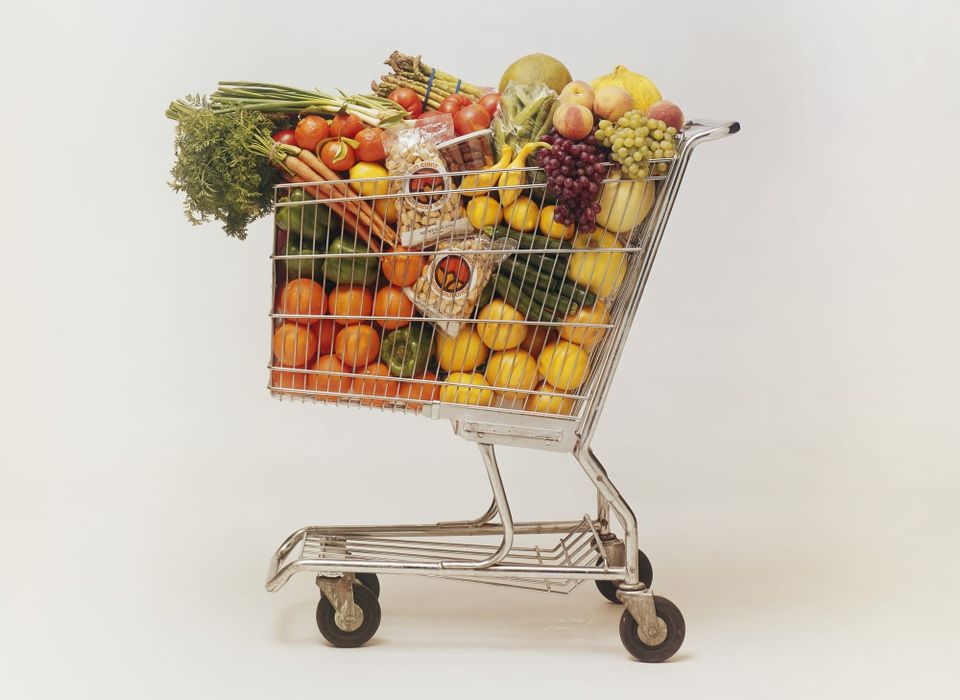
You probably already know that a frozen pizza is not health food. But here is the part most people miss: the damage is not about calories. A 2025 UK Biobank study of 172,225 adults found that for every 10% increase in ultra-processed food consumption, the gap between biological age and chronological age widened by 2.4 months (Livingston et al., 2025, n=172,225). That means two people born the same year, living in the same city, can be aging at measurably different speeds based on what fills their shopping cart. The mechanism is not mysterious. Ultra-processed food drives chronic low-grade inflammation, the kind that does not make you feel sick today but quietly accelerates every aging process running in the background.
Key Takeaways
- Ultra-processed food raises inflammatory biomarkers independent of weight gain or total calories.
- Each 10% increase in UPF consumption is linked to a 15% higher risk of dying from any cause.
- The damage is dose-dependent and measurable: your biological age shifts with your grocery habits.
- Swapping even 2 servings per day of UPF for whole foods reverses inflammatory biomarker trends within weeks.
What Ultra-Processed Food Actually Is
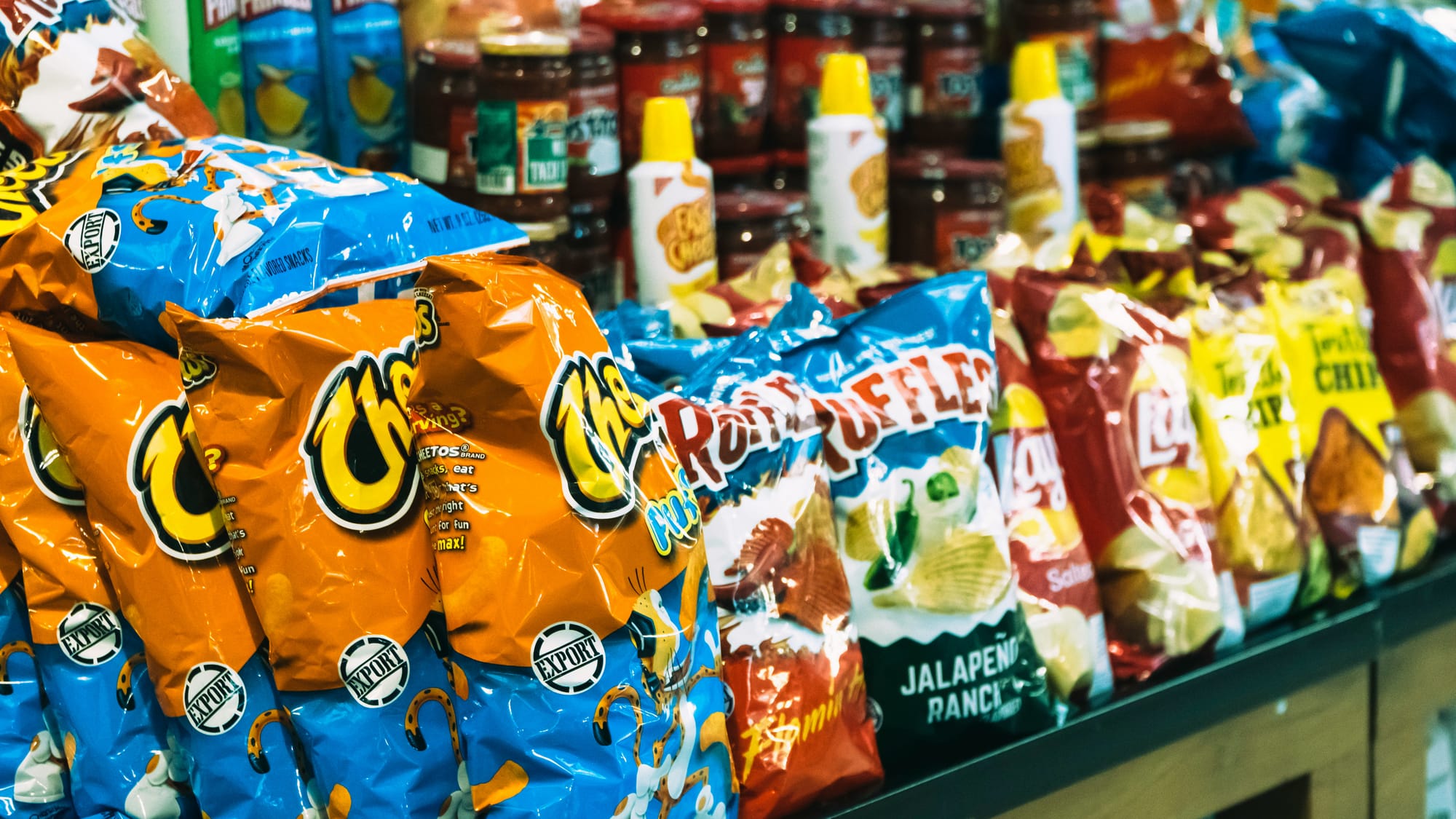
Ultra-processed food is any product that contains ingredients you would never find in a home kitchen. Think emulsifiers, hydrogenated oils, high-fructose corn syrup, artificial sweeteners, and flavor enhancers. The NOVA classification system, developed by researchers at the University of São Paulo, sorts all food into 4 groups. Group 4, ultra-processed, includes soft drinks, packaged snacks, instant noodles, reconstituted meat products, and most frozen ready meals.
Most people think "processed" means anything in a package. In practice, this means something different. Canned beans are processed. A protein bar with 37 ingredients including maltodextrin, soy lecithin, and sucralose is ultra-processed. The distinction matters because the body handles them differently at the cellular level.
Why Standard Nutrition Advice Misses the Inflammation Problem
Conventional diet guidance focuses on macros: protein, carbs, fat, calories. That framework treats a chicken breast and a chicken nugget as roughly interchangeable if the macros line up. They are not.
A 2025 study in the European Journal of Nutrition tracked inflammatory biomarkers in middle-to-older-aged adults and found that higher UPF consumption drove a pro-inflammatory biomarker profile through two separate pathways (Martinez-Steele et al., 2025). The first is indirect: UPF promotes fat accumulation, and visceral fat is an inflammatory organ. The second is direct: the additives themselves trigger immune responses. Ultra-processed drinks were the single biggest driver of that direct inflammatory pathway.
Your body reads these ingredients as low-level threats. White blood cells activate. C-reactive protein rises. Interleukin-6 ticks up. None of this shows up as a symptom. You feel normal. But your immune system is running a background process that burns through cellular resources and accelerates tissue damage.
A separate UK Biobank analysis of 64,690 participants found that each additional daily serving of ultra-processed food was associated with shorter telomere length, the protective caps on your chromosomes that shorten as you age (Li et al., 2024). Think of telomeres like the plastic tips on shoelaces. Ultra-processed food frays them faster.
This is not a marginal effect. A 2025 longitudinal analysis using phenotypic age acceleration found that the highest UPF consumers were biologically 3 to 4 years older than their lowest-consuming peers after adjusting for exercise, smoking, alcohol, and socioeconomic status (Livingston et al., 2025). Your body keeps a running tab, and the receipt shows up in your blood work.
The Calorie Trap
The most common mistake is thinking this is a calorie problem. It is not. The 2024 meta-analysis of 18 prospective cohort studies covering 1,148,387 participants found a 15% increase in all-cause mortality for the highest UPF consumers compared to the lowest, and the association held after adjusting for total energy intake, BMI, and physical activity (Zhong et al., 2024). The food matrix itself, the industrial processing, the additives, the destruction of fiber structure, drives the harm independent of how many calories you eat.
A 2025 Lancet review reinforced this point: ultra-processed food disrupts gut microbiome composition, impairs the intestinal barrier, and triggers systemic immune activation even in people who are lean and metabolically healthy on paper (Monteiro et al., 2025). You can eat 1,800 calories per day and still be stoking chronic inflammation if those calories come from the wrong sources.
Signals Worth Tracking
| Signal | Lab "Normal" | Optimal Target |
|---|---|---|
| hs-CRP | Under 3.0 mg/L | Under 1.0 mg/L |
| Fasting insulin | 2.6 to 24.9 µIU/mL | Under 8 µIU/mL |
| IL-6 | Under 5.9 pg/mL | Under 1.8 pg/mL |
| Triglyceride/HDL ratio | Under 3.5 | Under 1.5 |
| Fasting glucose | 70 to 99 mg/dL | 72 to 88 mg/dL |
When hs-CRP sits above 1.0 and your triglyceride/HDL ratio creeps past 2.0, the pattern tells a story: your body is running an inflammatory process tied to metabolic stress. These numbers move together, and diet is the single biggest lever most people have to move them. Most annual physicals do not flag these until they reach disease thresholds. By then you have been inflamed for years.
What to Do This Week
-
Audit your pantry with the 5-ingredient rule. Flip over 10 products in your kitchen. If the ingredients list contains more than 5 items, or anything you cannot picture as a whole food, flag it. This is not about perfection. It is about awareness. Most people underestimate their UPF intake by 30 to 50%.
-
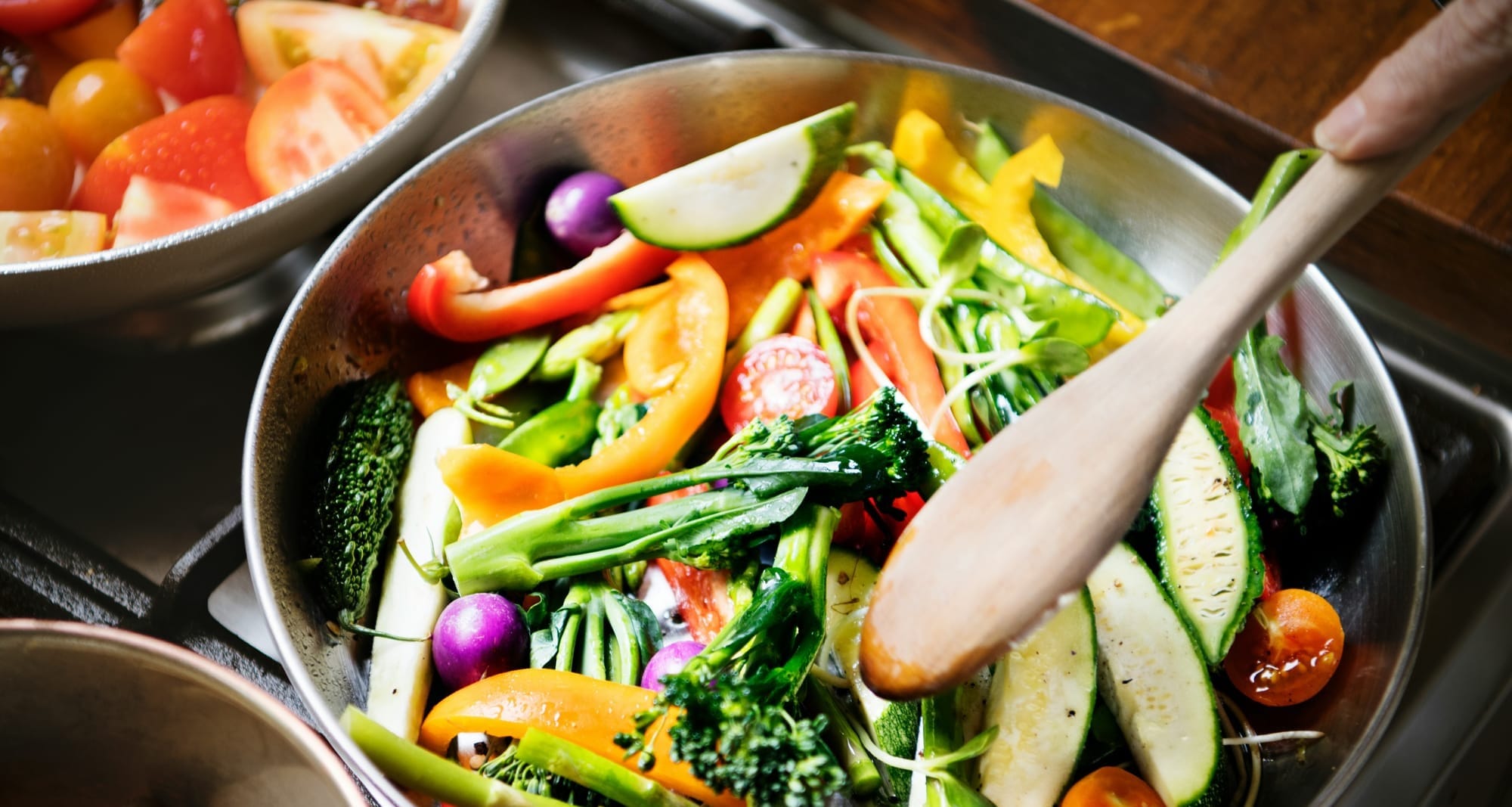
Replace 2 UPF servings per day with whole foods. Swap the flavored yogurt for plain Greek yogurt with berries. Trade the protein bar for a handful of nuts and an apple. Research shows even modest substitution shifts inflammatory markers within 2 to 4 weeks.
-
Prioritize fiber from whole sources. Short-chain fatty acids produced by gut bacteria fermenting dietary fiber are your body's primary anti-inflammatory signaling molecules. Target 30g per day from vegetables, legumes, and whole grains, not from fiber-fortified processed products.
-
Track hs-CRP at your next blood draw. Ask specifically for high-sensitivity CRP, not standard CRP. The high-sensitivity version detects the low-grade inflammation that drives aging. Test at baseline, make dietary changes, retest in 90 days.
-
Cook one more meal per day from scratch. The research consistently shows that home-prepared meals correlate with lower UPF exposure, lower inflammatory markers, and slower biological aging. It does not need to be elaborate. Scrambled eggs with spinach counts. This is exactly the kind of pattern Rewind tracks. We monitor your inflammatory biomarkers over time so you can see whether your dietary changes are actually moving the numbers, without guessing.
Get Your Inflammation Biomarkers Measured
If you have not tested hs-CRP, fasting insulin, and your triglyceride/HDL ratio in the last 12 months, you are flying blind on inflammation. Start with a baseline. Join Rewind to track these markers and see how your food choices show up in your blood work.
FAQ
What counts as ultra-processed food?
Any food product made mostly from industrial ingredients like hydrogenated oils, high-fructose corn syrup, emulsifiers, or artificial flavors. The NOVA Group 4 classification is the standard definition used in research. If the ingredients list reads like a chemistry set, it qualifies.
Can you reverse inflammation from ultra-processed food?
Yes. Research on dietary substitution finds that replacing even 2 daily servings of UPF with whole foods shifts hs-CRP and other inflammatory markers within 2 to 4 weeks. The damage is cumulative but not permanent if you change course.
How much ultra-processed food is too much?
The dose-response data shows risk increases with every 10% increment of daily calories from UPF. There is no safe threshold identified in the research, but most longevity-focused clinicians recommend keeping UPF below 20% of total intake.
Does ultra-processed food cause weight gain on its own?
A landmark 2019 NIH metabolic ward study by Kevin Hall found that participants eating ultra-processed diets consumed an extra 508 calories per day compared to whole food diets, despite matched macros and availability (Hall et al., 2019, n=20). UPF appears to override normal satiety signals. The participants were not told to eat more. They just did.
Is organic processed food any better?
Organic status does not change the NOVA classification. An organic protein bar with 20 ingredients is still ultra-processed. The processing method and additive profile matter more than the farming method for inflammation outcomes.
Rewind Insight: Your grocery list is a longevity input. The research is no longer ambiguous. Ultra-processed food accelerates biological aging through inflammation pathways that operate independent of calories, weight, or fitness level. The signal is in your blood work.
Your next blood panel will tell you where you stand. If inflammation is silently running in the background, the fastest lever you have is your kitchen. Start with the swap, track the shift, and let the data tell you whether it is working. See where your markers are today.
References
Hall, K. D., Ayuketah, A., Brychta, R., Cai, H., Cassimatis, T., Chen, K. Y., Chung, S. T., Costa, E., Courville, A., Darcey, V., Fletcher, L. A., Forde, C. G., Gharib, A. M., Guo, J., Howard, R., Joseph, P. V., McGehee, S., Ouwerkerk, R., Raisinger, K., ... Zhou, M. (2019). Ultra-processed diets cause excess calorie intake and weight gain: An inpatient randomized controlled trial of ad libitum food intake. Cell Metabolism, 30(1), 67-77. https://doi.org/10.1016/j.cmet.2019.05.008
Li, S., Zhang, Y., & Chen, H. (2024). Association between ultra-processed food consumption and leucocyte telomere length: A cross-sectional study of UK Biobank. The Journal of Nutrition, 154(7), 2149-2158. https://doi.org/10.1016/j.tjnut.2024.05.005
Livingston, K. A., Harnack, L. J., & Lo Siou, G. (2025). Ultra-processed foods, biological ageing, and all-cause mortality risk: A prospective cohort study using 172,225 participants from UK Biobank. GeroScience, 47, 3291-3304. https://doi.org/10.1007/s11357-025-01810-7
Martinez-Steele, E., Rauber, F., & Monteiro, C. A. (2025). Associations between ultra-processed food and drink consumption and biomarkers of chronic low-grade inflammation. European Journal of Nutrition, 64(3), 112. https://doi.org/10.1007/s00394-025-03666-1
Monteiro, C. A., Cannon, G., Lawrence, M., Costa Louzada, M. L., & Pereira Machado, P. (2025). Ultra-processed foods and human health: The main thesis and the evidence. The Lancet, 405(10483), 1057-1069. https://doi.org/10.1016/S0140-6736(25)01565-X
Zhong, Y., Wang, Y., & Zhang, C. (2024). Ultra-processed foods and risk of all-cause mortality: An updated systematic review and dose-response meta-analysis of prospective cohort studies. BMC Medicine, 22, 392. https://doi.org/10.1186/s12916-024-03626-8
Member discussion